
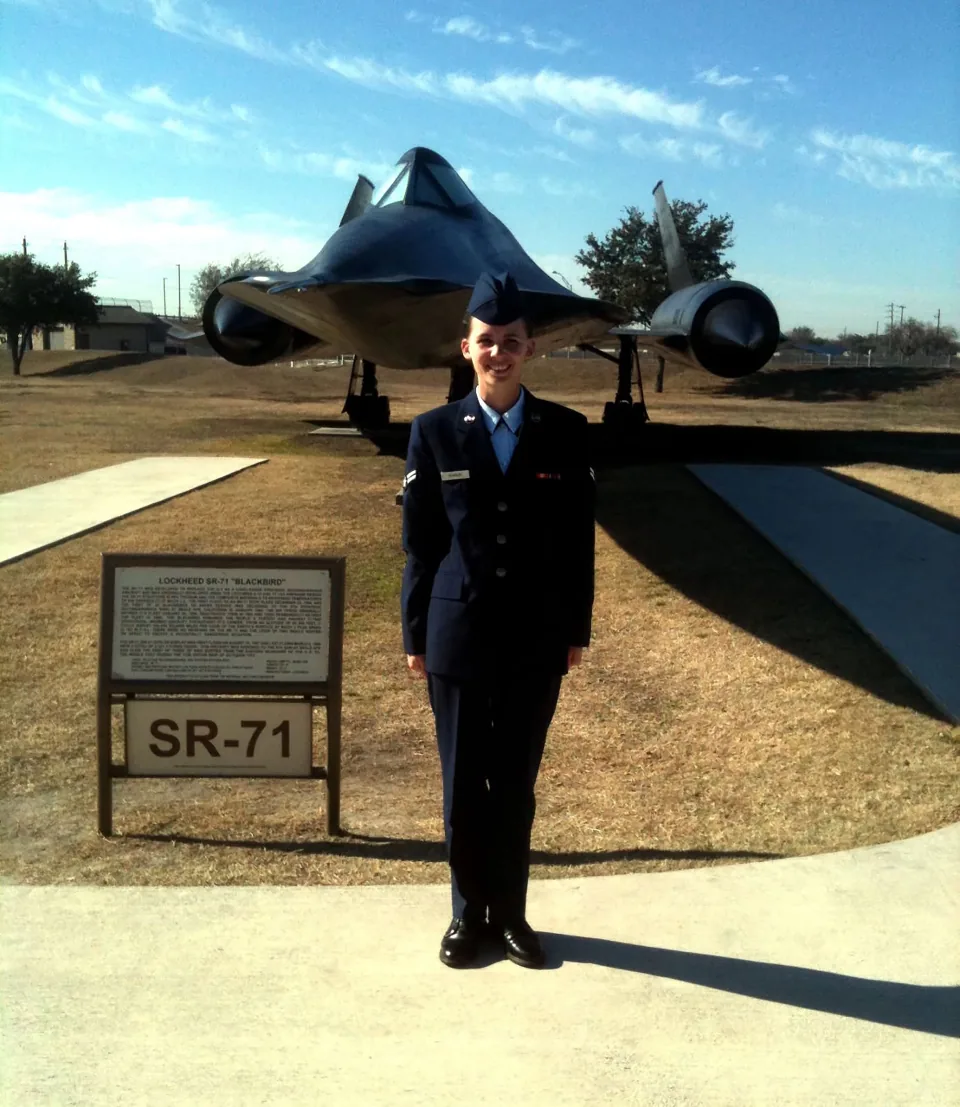
At Beale Air Force Base in 2011, the U-2 pilot was all set to go. Krystle Taylor wasn’t ready to let him.
Nicknamed the Dragon Lady, the U-2 was built to gather intelligence from high above enemy territory. The single-seat aircraft has a cruising altitude of 70,000-90,000 feet. Pilots must wear a full-pressure space suit and breathe pure oxygen for hours before each flight due to the extreme operating altitude. Landing is so demanding that another U-2 pilot follows in a chase car, calling out the jet’s height above the runway.
During final pre-flight checks, Taylor, a young Air Force aircraft mechanic, noticed the engine oil was low. She asked the pilot over her headset to wait. When she checked again, the level had dropped further.
She canceled the flight.
Ready for a strong El Niño
Today, Taylor brings that experience of making difficult calls under pressure to the State Water Resources Control Board, where she is helping prepare California for potential El Niño storm impacts.
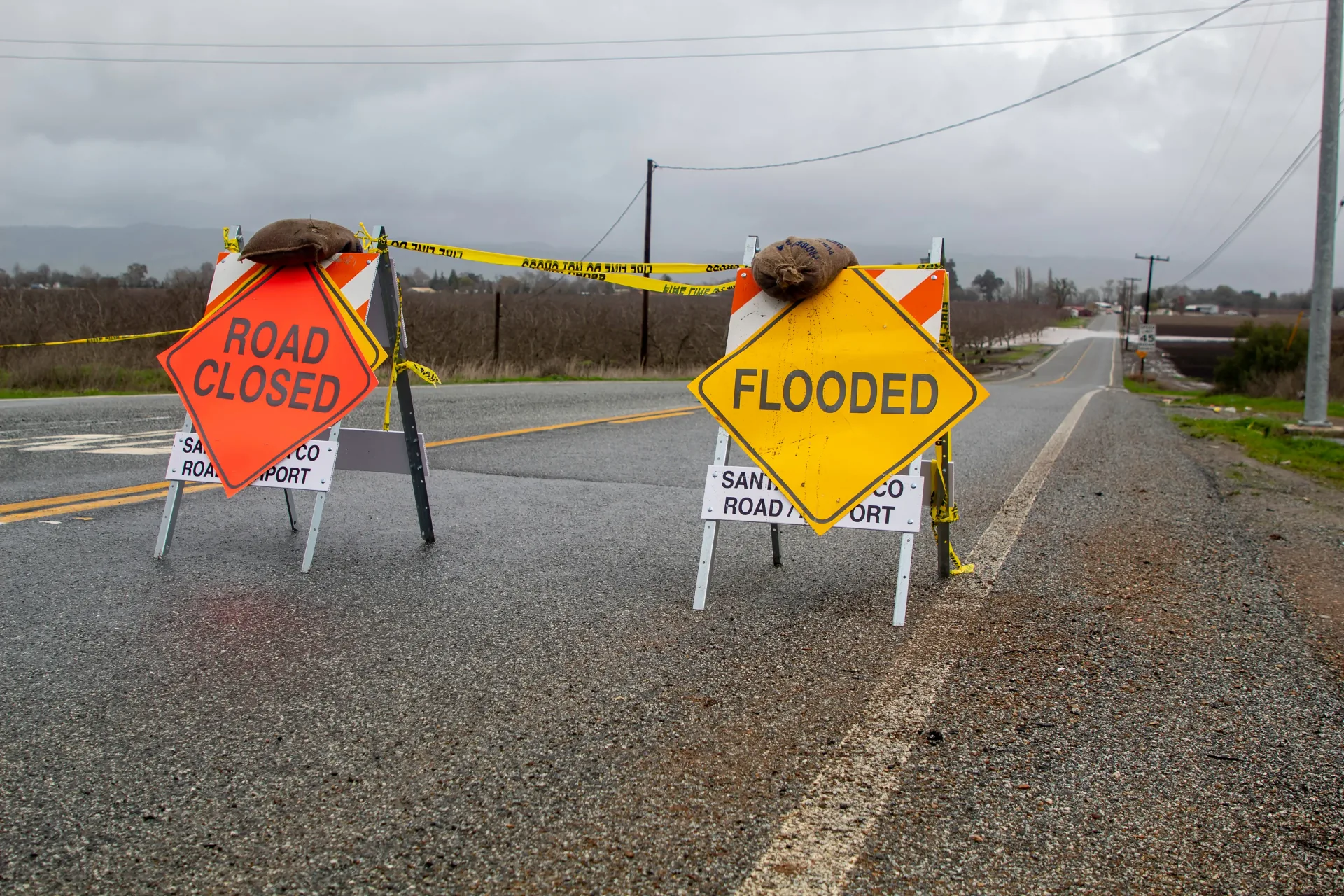
El Niño happens when parts of the Pacific Ocean become warmer than usual. This warming can shift weather patterns, increasing the chances of stronger storms, damaging high tides and coastal flooding, and other impacts in parts of California. Though El Niño is a long-standing weather pattern, studies suggest that climate change is increasing El Niño frequency and strength.
To protect lives and reduce damage before the winter storms arrived, Gov. Gavin Newsom proclaimed a statewide emergency in September, directing the State Water Board, nine regional water quality control boards and other agencies to expedite permitting and flood preparations ahead of the storms.

“I love seeing discrete groups of people that have different priorities coming together to achieve a shared goal, which is to protect water quality, and make sure the community has decent water when they come home.”
— Krystle Taylor, Supervisor, State Water Board Emergency Management Program
A senior environmental scientist supervisor in the Office of Research, Planning and Performance’s Emergency Management Program, Taylor coordinates a team that is leading the boards’ El Niño readiness and response efforts. The team’s expertise can help protect water quality and keep pollution from spreading when disaster strikes.
The work is often invisible to the public. Its consequences can reach straight into a family’s kitchen.
A particularly intense El Niño season brings with it an array of threats to California communities and water quality:
- Floodwater caused by high tides, rainfall or snowmelt can contaminate a drinking water well and overwhelm a wastewater treatment plant.
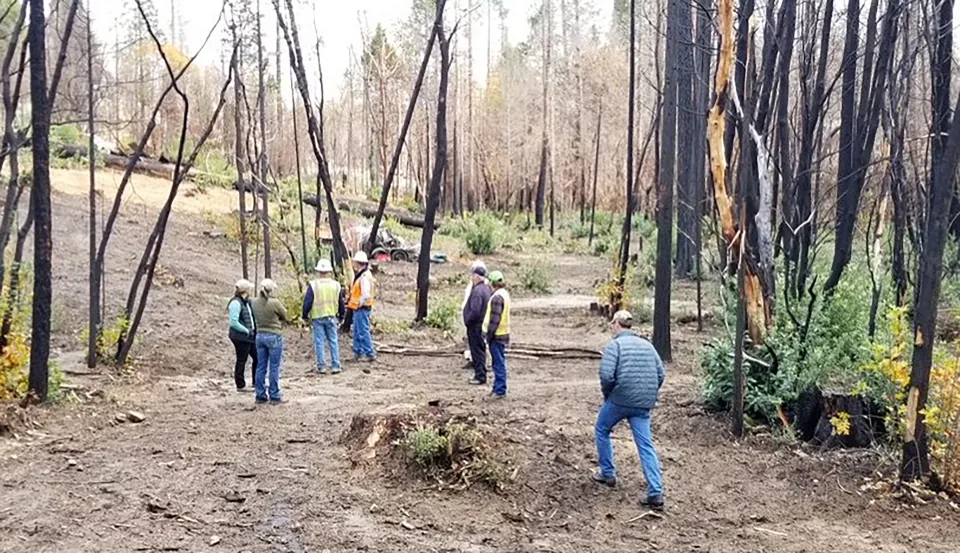
- Heavy rain on wildfire burn scars can wash sediment and debris into streams, causing heavy turbidity that could suffocate fish and reduce flood capacity downstream.
- Waste or process water ponds common at mine sites can also become sources of pollution if inundated during heavy rain.
Taylor’s job is to help the boards anticipate those threats and organize their response, connecting regional specialists with state emergency officials and keeping leadership informed.
A childhood flight plan takes a turn
Growing up in northern Florida and southern Georgia, Taylor checked out library books about airplanes and memorized their statistics. Watching the Blue Angels, the Navy’s renowned demonstration squadron, she imagined herself becoming a fighter pilot.
Public service ran through her family: military veterans, a police officer father and an aunt who taught children with special needs. The military also offered a path beyond the poverty of the area she grew up.
A Reserve Officers’ Training Corps (ROTC) scholarship and aerospace engineering studies put Taylor on a course toward the cockpit. Then a childhood history of juvenile arthritis disqualified her from that path.
“I lost both my dream and my scholarship at the same time,” she said.
Undeterred, Taylor found another path into aviation.
“If I can’t fly them, I’ll work on them.”
Making safety calls on the flight line
Taylor enlisted at 21 and became a U-2 mechanic at Beale Air Force Base in Yuba County. She was the only woman in her unit, she recalled. Some colleagues assumed she wouldn’t want to get dirty. She proved otherwise.
The work meant long shifts outside, sometimes with fingers numbed by the cold. There was no margin for error. A loose screw could be sucked into an engine. An unexpected fuel leak could consume a weekend.
It also taught her when to call a specialist and how to solve problems when the manual didn’t supply an answer.
“I was like, wait, you can work for the state as a scientist? I had no idea. And I thought that was the coolest thing.”
— Krystle Taylor
Discovering a career in environmental science
After a medical discharge, Taylor used the GI Bill to pursue her science degree. By then, she was a mother, increasingly concerned about environmental damage and the world her son would inherit.
An online search revealed that California employed environmental scientists.
“I was like, wait, you can work for the state as a scientist? I had no idea,” she said. “And I thought that was the coolest thing.”
Taylor joined the California Air Resources Board as an air resources technician in 2018 while finishing her degree. In 2020, she moved to the boards’ Emergency Management Program. She became its supervisor in February 2026. Leading the boards’ El Niño response is a key component of the job.
Much of her experience has involved wildfires, including emergency coordination during the Los Angeles fires. Now she is applying those lessons to storm preparations: updating emergency responsibilities, providing regional staff training and working with colleagues conducting outreach to facilities that could release pollution during heavy rain.
“We would rather have everything in place and not need it,” Taylor said of the extensive preparations for El Niño.
Connecting experts before disaster strikes
During a major activation, her team will work 12-hour days, seven days a week, at the Governor’s Office of Emergency Services’ State Operations Center.
There, a conversation can help an agency identify the permits and expedited procedures needed for urgent repairs. Information from regional staff can alert emergency officials to a threatened facility. Drinking water specialists coordinate with water systems and keep Taylor’s team informed.
The relationships need to be in place before the emergency.
Her team combines scientific expertise with emergency management training, helping translate water quality concerns for partners in other agencies. The coordination continues into recovery, as boards staff identify contamination, determine monitoring needs and help protect affected communities.
“It’s recognizing that I can’t know all the answers, but I do need to know who has the answers and how to pull them in,” Taylor said.
The El Niño playbook
Taylor describes the work as “hope for the best, prepare for the worst.”
“I enjoy the teamwork. I enjoy having the structure. And I like being able to help facilitate who needs to do what,” she said. “I love seeing discrete groups of people that have different priorities coming together to achieve a shared goal, which is to protect water quality, and make sure the community has decent water when they come home.”
It remains to be seen whether El Niño will be as fierce as the forecasts suggest. Either way, Taylor’s team will be ready — playbook written, relationships in place, hoping for the best and prepared for the worst.